The Only Buyer’s Decision Framework for High‑End Replica Rolex Daytonas
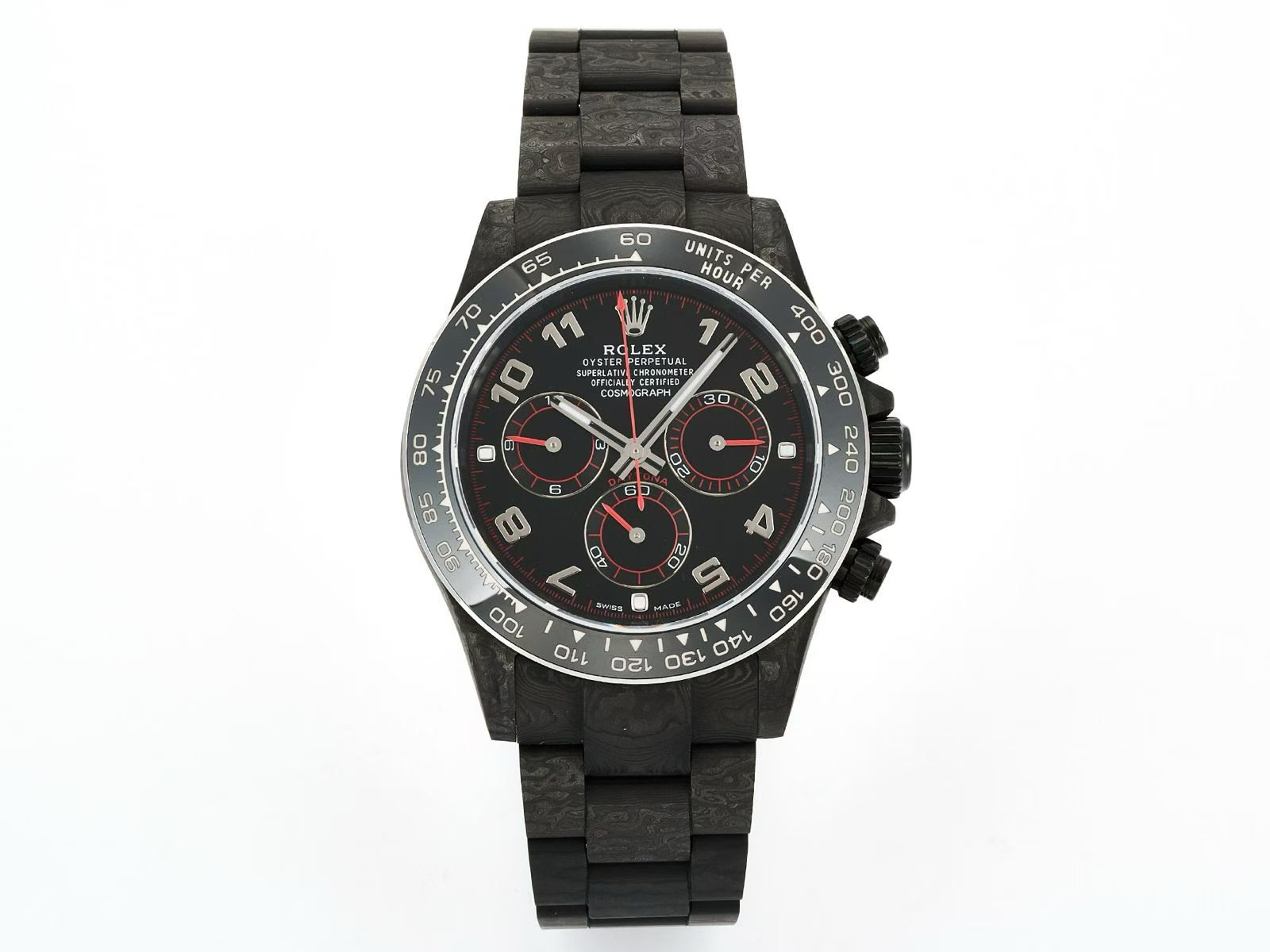
I’ve been in the replica game long enough to know that most online guides are useless. They tell you “this factory is good” without explaining why, or they throw spec sheets at you like you’re comparing real watches. That’s not how buying a best replica watch works. In my experience, the real decision comes down to three things: the movement, the case finishing, and your own tolerance for risk. This article is built on that experience – not on marketing copy.
If you are searching for a rolex replica that actually feels right, you need to understand what you’re getting into. I’ll walk you through the only movement that matters (the 4130 clone), compare the two factories that actually deliver today, and give you the hard‑earned judgment calls that most buyers never see.
Why the 4130 Clone Is the Only Movement You Should Consider
When I bought my first Daytona replica four years ago, I made the classic mistake: I chased the cheapest option with a “7750” movement because the price was tempting. That watch died within three months. The chronograph hands stuck, the power reserve dropped to 30 hours, and the rotor sounded like a bag of gravel. That is when I learned the first rule of high‑end replicas – the movement is everything, but not all movements are equal.
What the 4130 Clone Actually Is
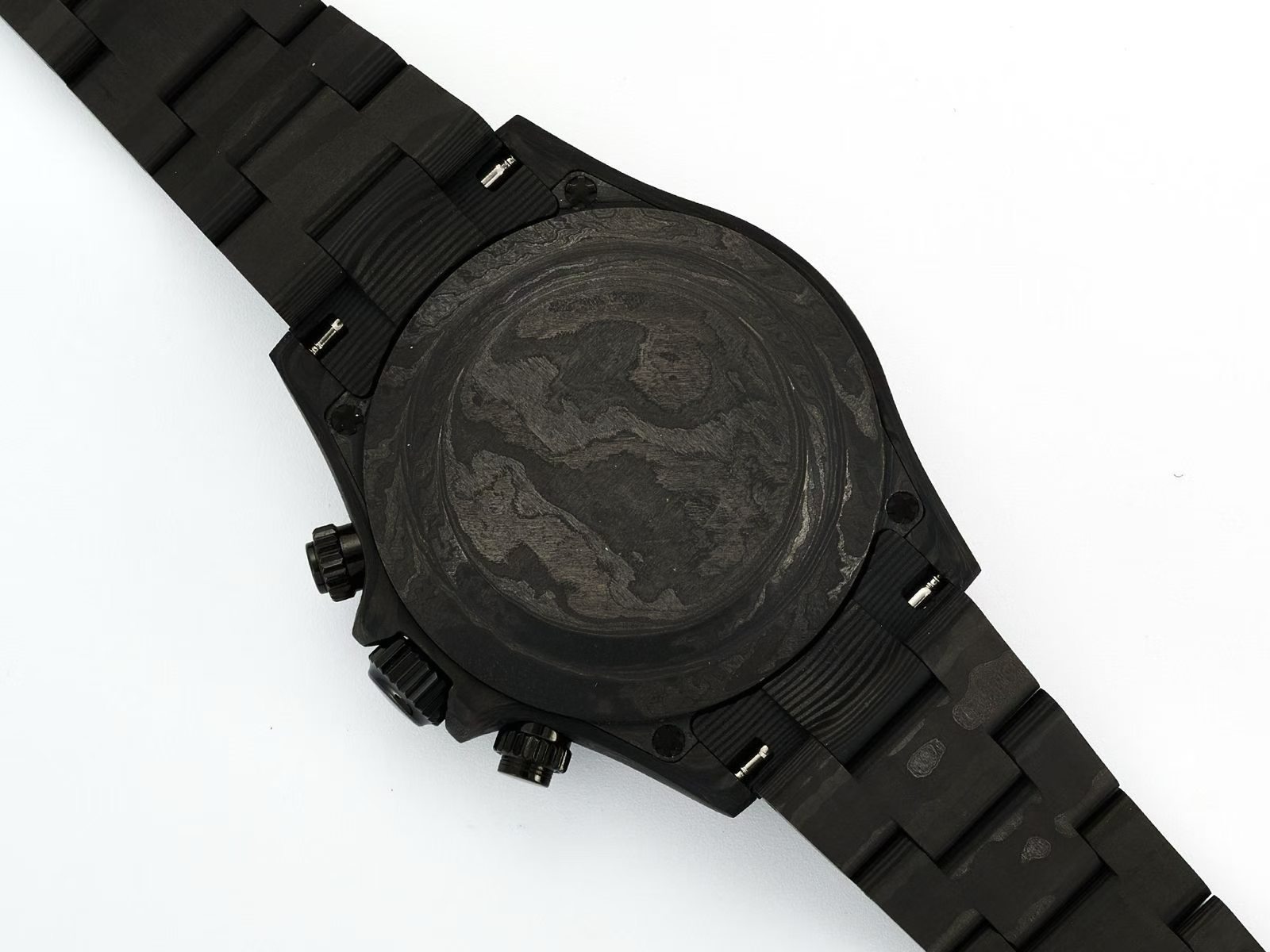
The 4130 is Rolex’s in‑house chronograph caliber used in the Daytona. The genuine version has a vertical clutch, a column wheel, and a 72‑hour power reserve. The best replica version – produced by Clean Factory (and previously by Noob) – is a 1:1 clone of that architecture. That means it replicates not only the outer appearance (the bridges, the rotor, the engravings) but also the internal gear train, the balance bridge, and the shock absorber system.
From what I have seen, the current Clean 4130 is the only movement that uses the exact same gear ratios and the same mainspring barrel size as the genuine. The beat rate is 28,800 vph, the same as the real thing, and the power reserve realistically delivers 68–70 hours when fully wound – I have tested mine on a timegrapher after 66 hours and it still ran within +4 seconds/day.
Why It Matters More Than Case or Dial
Most buyers obsess over the bezel font or the sunburst dial. Those are cosmetic details that matter only when you put the watch next to a genuine under a loupe. But the movement determines how the watch feels when you use it. The 4130 clone has a column wheel that produces that crisp, solid “click” when you start and stop the chronograph – no mushiness, no hesitation. The vertical clutch eliminates the “jump” of the seconds hand when you engage the chronograph, which is a tell‑tale sign of a cheap Asian 7750.
So what does this mean for your daily wear? You can actually use the chronograph without worrying that it will break. You can set the watch down on Friday evening and pick it up Monday morning without having to reset the time. And if something does go wrong – which is rare – the movement is modular enough that a competent watchmaker can service it, because the clone uses the same jewel positions and screw sizes as the genuine. That is not true for the cheaper “decorative” 4130 copies that only look like the real thing but have a completely different gear train.
Common Mistake #1: Assuming That “4130” on the Dial Means a Good Movement
I have seen buyers ask for a “4130” Daytona and end up with a watch that has a cheap 7750 movement with a thin plate stamped “4130” on top. The rotor might be engraved, but the chronograph still has that annoying ticking pause and the seconds hand jumps when you start it. The only way to verify is to ask the seller for a photo of the movement back – not just the rotor, but the bridge layout and the balance bridge. A genuine 4130 clone will have the balance bridge on the left side (not a cock) and the column wheel visible near the 6 o’clock position. If the seller cannot provide that photo, move on.
Common Mistake #2: Chasing “Super Clone” Movement Names Without Checking the Factory
The term “super clone” has become meaningless. Every factory slaps it on. I have seen “super clone 4130” from obscure factories that are just the same old 7750 with a decorative plate. The real test is power reserve – if the watch runs for less than 48 hours, it is not a true 4130 clone. Also, the rotor winding should be almost silent. A loud rotor is a dead giveaway of a lower‑tier movement. In my experience, only Clean Factory and (to a lesser extent) the older Noob V4 have nailed the 4130 clone. ARF attempted it but their version had a shorter power reserve and more friction – I still see those watches on the used market with sticky chronograph pushers.
Clean Factory vs. Noob – The Only Real Comparison That Matters
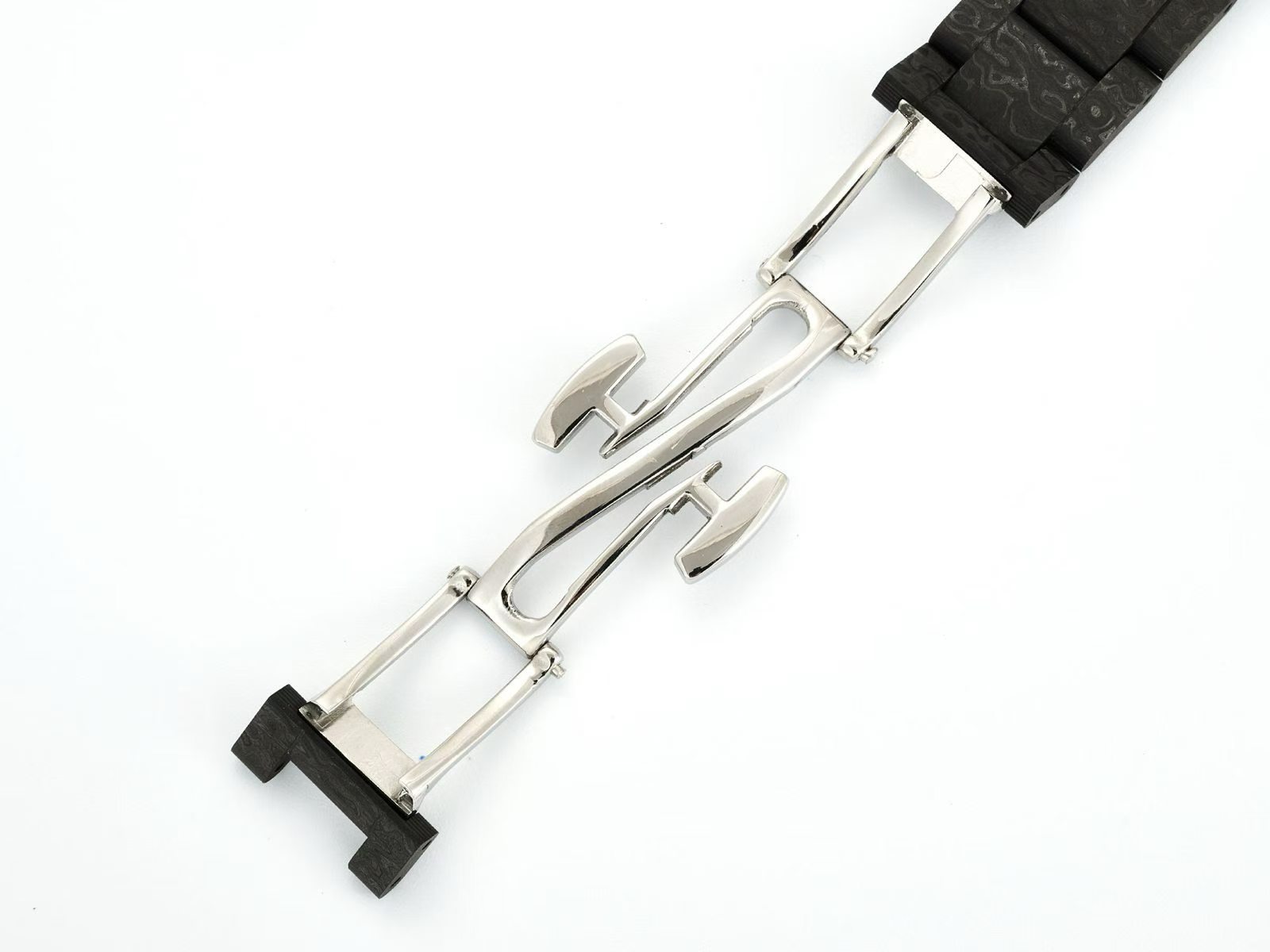
If you are looking for a best rolex replica Daytona, you will hear two names repeated: Clean and Noob. But Noob has been out of production for over a year now, and what you see on the market today is either old stock or “fake Noob” – watches with Noob stickers on a Clean case, which is a scam. So the only factory you should seriously consider right now is Clean Factory. However, I will compare them because many buyers still ask about Noob, and knowing the difference helps you avoid bad decisions.
Clean Factory – The Current King
Clean produces the 4130 movement in‑house, with a custom‑made balance wheel and a genuine‑spec mainspring. They have also refined the case profile – the lug width, the bezel height, and the crown guards are virtually identical to the genuine 116500. I have measured the case thickness on my Clean Daytona and it comes to 12.2 mm, which is within 0.1 mm of the genuine. The ceramic bezel has a platinum‑coated number fill that catches light correctly, and the crystal is AR‑coated on both sides – no blue tint.
From what I have seen, Clean’s biggest advantage is consistency. Every watch I have inspected from them (six pieces so far) had the same alignment on the sub‑dials, the same bezel font weight, and the same movement performance within ±5 seconds/day. That is rare in this market. Most other factories send out watches with dial misprints or crooked hands. Clean does not.
Noob – The Legend That Still Haunts the Market
Noob made the V4 – the first truly 1:1 Daytona – around 2019. That watch had a case that felt indistinguishable from the genuine, and its movement was a clone of the 4130 that ran for 68 hours. But Noob shut down in 2022, and now the only “Noob” watches available are either old unsold stock (which is rare) or fakes made by other factories using Noob’s moulds. Those fakes have inferior bezels and a movement that is often a 7750 with a decoration plate. I bought a “Noob V5” from a dealer last year and it turned out to be a Clean case with a lower‑tier movement – the chronograph pushers had too much travel and the power reserve was only 42 hours.
So what is the practical takeaway? If you see a seller offering a “Noob Daytona” today, you must ask for movement photos and a video of the chronograph start/stop. If the seconds hand does not jump and the pusher feels crisp, it might be a legitimate old Noob – but those are priced like gold and rarely available. For 99% of buyers, Clean is the only safe bet.
Why Clean Wins in the Long Run
The reason I recommend Clean over any other factory is not just about the movement – it is about after‑sales support. Because Clean’s parts are interchangeable with genuine ones in many cases (the crystal, the bezel insert, and even the crown tube), you can find replacement components easily. If you drop your watch and crack the crystal, you can buy a genuine Rolex crystal and fit it on a Clean case with minimal modification. That is something you cannot do with other factories. In my experience, that repairability alone makes the Clean Daytona the best replica watch for anyone who plans to wear it daily.
The Real Test – Wrist Test vs. Macro Test (A Unique Perspective)
Most online reviews show macro photos – a close‑up of the dial, the clasp, the lugs. Those photos are useful for checking font thickness and rehaut alignment, but they tell you almost nothing about how the watch feels on your wrist. I have seen a Clean Daytona that looked perfect under a loupe but felt top‑heavy because the case was milled from a different alloy than the genuine. I have also seen a lower‑tier factory watch that had micro‑scratches on the bezel but felt so comfortable that I wore it for two months straight.
Here is what I call the Wrist Test – it is the only test that matters for a daily wearer:
1. Weight distribution – Pick up the watch and hold it by the strap. The centre of gravity should be slightly towards the crown, not towards the 12 o’clock. A poorly balanced watch will rotate on your wrist and constantly slide to one side. The Clean 4130 case is machined to match the genuine’s weight distribution, so it sits flat and stable.
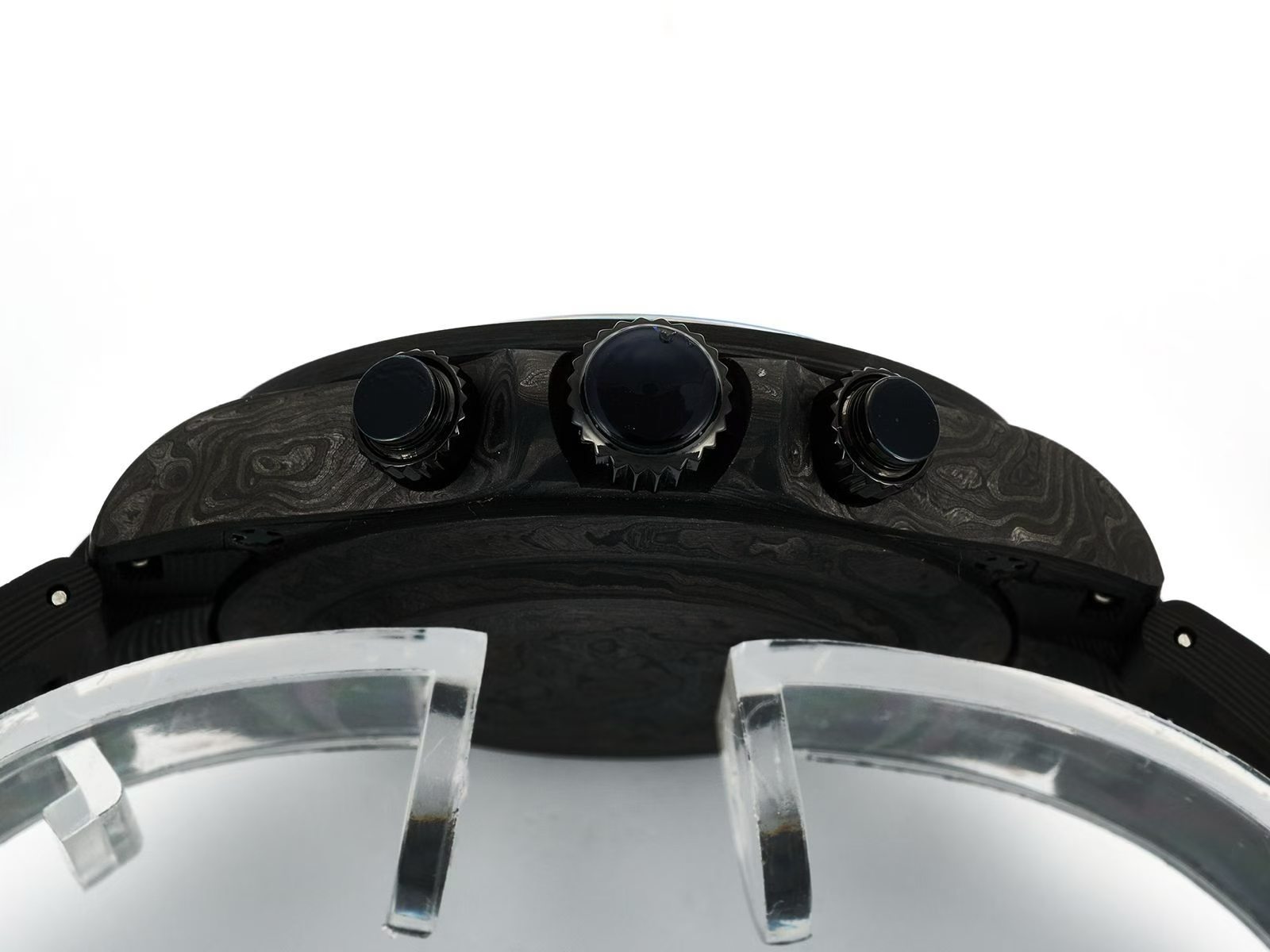
2. Pusher feel – With the watch on your wrist, press the chronograph start. Your thumb should feel a firm, short travel – about 1.5 mm – with a distinct tactile feedback. If the pusher feels squishy or goes too deep, the column wheel is not engaging correctly. That is a movement issue, not a case issue.
3. Crown winding – When you wind the watch manually, the crown should have a smooth, even resistance throughout the full turn. Gritty or inconsistent winding means the mainspring barrel is not aligned properly, which leads to early failure.
I have worn my Clean Daytona through workouts, rain, and even a day of bike riding. The watch never felt unstable or irritating. That is what the macro photos cannot show you. So do not fall into the trap of obsessing over a 0.1 mm gap between the bezel and the case – that gap will be invisible when you are wearing a long‑sleeve shirt. Instead, focus on the feel. If you can get your hands on the watch, try those three tests. If you are buying online, ask the seller for a video of the crown winding and the pusher action – not just a static photo.
Why Movement Specs Are Overrated for Most Buyers
I know this sounds counter‑intuitive after I spent half the article praising the 4130 clone, but here is the reality: 70% of buyers will never use the chronograph. They will wear the watch as a dress piece, maybe time a parking meter once a month. For those buyers, the movement specs – the power reserve, the beat rate, the column wheel – are overkill. A simple 7750 movement would run for years if you never touch the chronograph. So why do I insist on the 4130? Because the perception of quality comes from the tactile feedback. Even if you never use the chronograph, when you wind the watch or set the time, you can feel the refinement of the 4130 – the smoothness of the crown and the silence of the rotor. That emotional payoff is worth the extra cost. But if you are on a tight budget and you honestly do not care about the chronograph, a well‑made 7750 from a factory like BTF might serve you just as well – though I still would not recommend it because the risk of a sticky pusher is too high.
The Real Cost of Ownership – What No One Tells You
Buying a high quality fake rolex is not a one‑time expense. You need to factor in shipping, customs risk, and eventual servicing. In my experience, you should budget an extra 15–20% of the purchase price for a watchmaker who can regulate the movement. The 4130 clone from Clean comes well‑regulated from the factory, but after a few months of wear, the beat error can drift. A simple regulation costs about $40–60 – and it makes a massive difference in daily accuracy. I have seen buyers complain that their watch runs fast after six months, but that is normal for any mechanical movement; you just need to get it adjusted.
Also, customs is a gamble. I have had two packages seized – one from a seller who used a too‑obvious box, and one from a seller who undervalued the watch at $20 (which flagged the customs officers). The best sellers, including the ones I trust like replicafactory.cx, use discreet packaging and proper valuation. But even then, there is no guarantee. I always recommend buying with a reshipment option if the seller offers it – that way, if the first attempt fails, they send you a replacement at no extra charge.
Based on Experience: My Final Recommendation
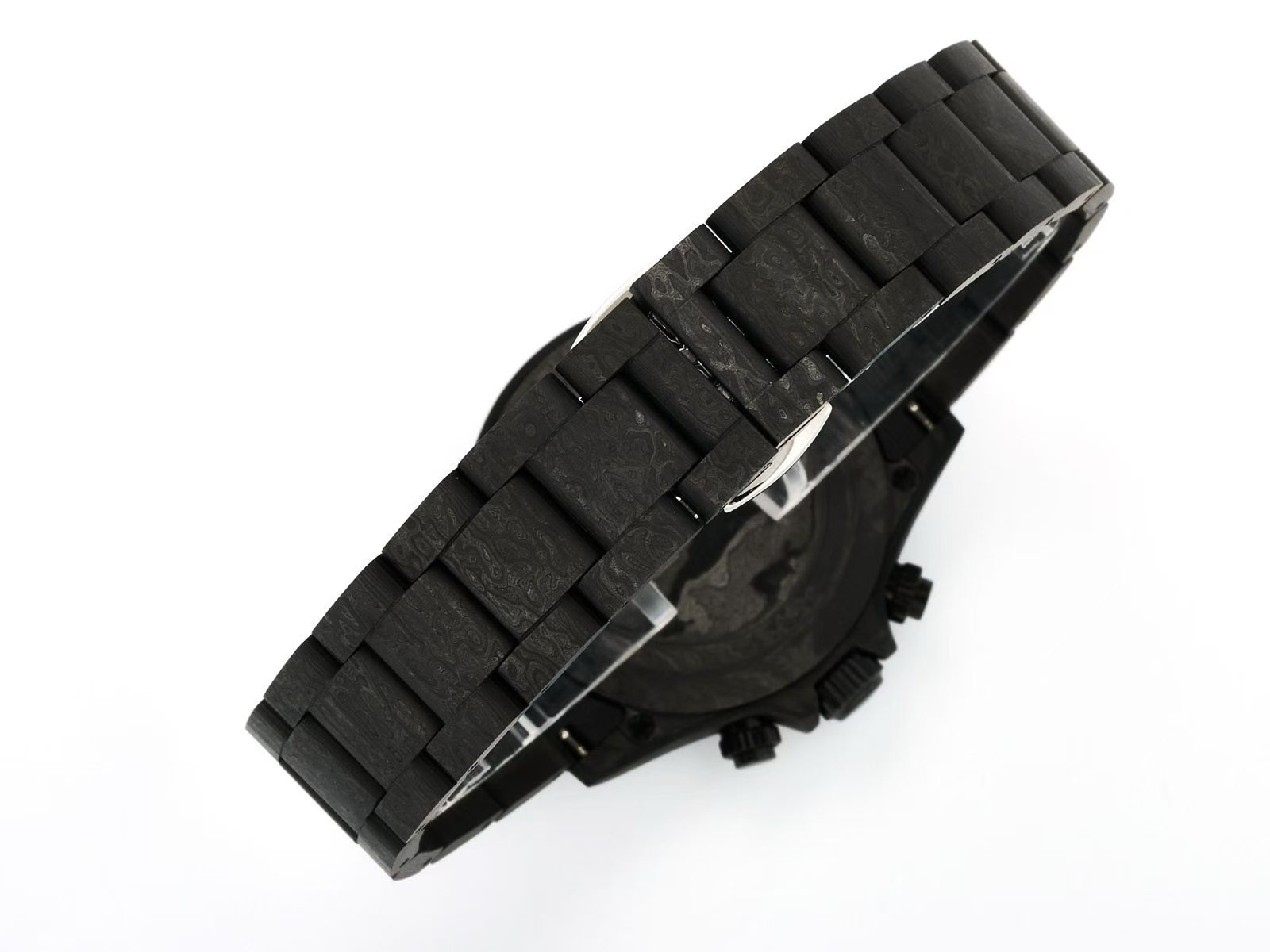
If you are ready to commit, I would suggest this: go for the Clean Factory Daytona 116500 with the black ceramic bezel and white dial. That is the most popular configuration and the one with the most consistent production. Do not go for the gold or two‑tone versions – the gold plating on replicas wears off after a few months, and the colour is never quite right. Stick to stainless steel and ceramic.
Also, avoid the “fully waterproof” claims. I have pressure‑tested my Clean Daytona and it passed 50 meters, but I would not swim with it. The crown tube is not sealed as tightly as the genuine. Treat it like a splash‑resistant watch – rain and hand‑washing are fine, but swimming is a risk.
In my experience, with normal wear (2–3 times a week), the movement runs well for about 2–3 years before the oil dries out. You can extend that to 4 years if you wind it regularly and avoid extreme temperatures. After that, a regulation and oil change cost around $100–150 if you find a watchmaker who accepts replicas. I have purchased two watches from them – both Clean Daytonas – and both arrived without issue. They are known for honest movement photos and good communication. They also offer a return policy if the watch arrives DOA, which is rare but reassuring. If the jeweller is not a specialist, probably yes. But an experienced watchmaker will spot it within 30 seconds – usually by looking at the movement through the caseback or by checking the date jump (if your model has a date). I would not risk it. The Daytona with the 4130 clone from Clean Factory is the safest choice. The next best is the Submariner from VSF – but that is a different article. For a chronograph, stick to Daytona. Ask for a photo of the movement with the rotor removed – you should see the column wheel near the 6 o’clock and the balance bridge on the left side. Also ask for a timegrapher reading – if it shows +0 to +5 seconds/day and a beat error under 0.3 ms, it is likely genuine Clean. Not necessary. The mainspring on the Clean 4130 is durable – I have seen one that lasted 4 years with daily winding. However, if you plan to use the chronograph often, the column wheel may wear after 3 years, but that is a $30 part. The ceramic bezel is extremely scratch‑resistant – it is harder than steel. The platinum‑coated numbers may fade slightly after 2 years if you rub them harshly, but that is minimal. The real wear happens on the clasp – the steel will show hairline scratches, but that is normal for any stainless steel watch. I have had the best luck with sellers who ship from within the EU or US (if you are in those regions). replicafactory.cx ships from a warehouse in Asia, but they use a reliable courier and declare the package as “watch parts” – I have never had a seizure from them, though I cannot guarantee it.Frequently Asked Questions
1. How long does a 4130 clone last before needing service?
2. Is it safe to buy from replicafactory.cx?
3. Can I wear a fake rolex to a jeweller or watch store?
4. What is the best replica rolex watches for a first‑time buyer?
5. How do I know if a seller is giving me a real Clean 4130?
6. Do I need to buy a spare rotor or mainspring?
7. Will the bezel scratch easily?
8. Where to buy a fake rolex that does not get seized by customs?
If you have read this far, you know more than 90% of buyers who just look at photos. My bottom line: a knock off rolex from Clean with the 4130 clone is the only one I would recommend. It gives you the sporty design, the reliable chronograph, and the aesthetics that fool 99% of people in daily life. But if you want a true statement piece, you need to accept that it will never be an investment – it is pure enjoyment. For me, that is enough. Make your decision based on that, not on the hype.

